Personal blenders have become a staple in modern kitchens because they solve a simple problem: speed without complexity. People want quick meals, fast nutrition, and less cleanup. This is where Personal Blender Uses become more important than the appliance itself. A compact blender is no longer just for smoothies. It can handle sauces, snacks, meal prep, and even baking support. The real value comes from understanding how to use it creatively rather than limiting it to one function. This guide explores practical uses, health-focused ideas, and real-world strategies to get the most out of a personal blender in daily life.
What Makes a Personal Blender Different from Traditional Blenders
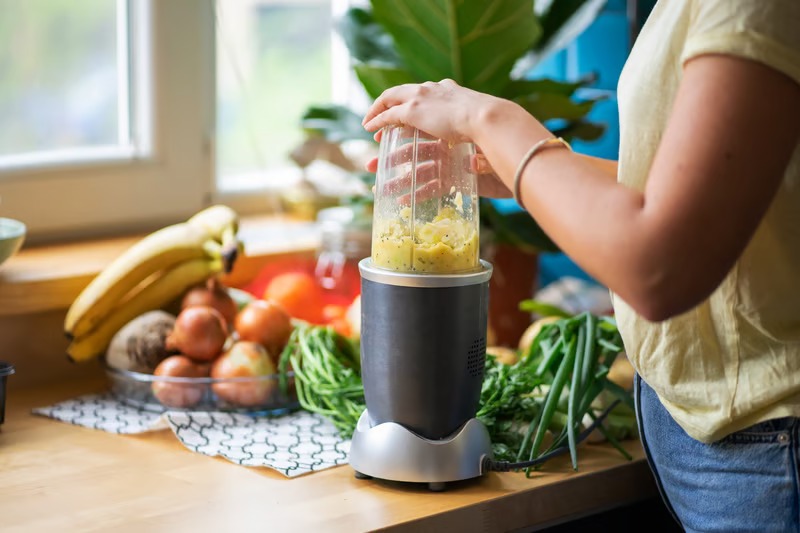
A personal blender is designed for individual portions and convenience. Unlike traditional countertop blenders, it is smaller, faster to clean, and easier to store. Most models come with portable cups that double as blending containers and drinking bottles. This makes it ideal for busy routines.
Performance is slightly different from larger blenders. Personal blenders may not handle large batches or very hard ingredients as efficiently. However, they excel in speed, simplicity, and everyday use cases.
For many users, this trade-off is worth it. Instead of complex preparation, a personal blender allows instant results. It is especially useful for students, professionals, and fitness-focused individuals who value efficiency.
Everyday Personal Blender Uses in the Kitchen
Smoothies and Nutrient Drinks
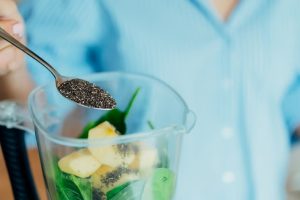
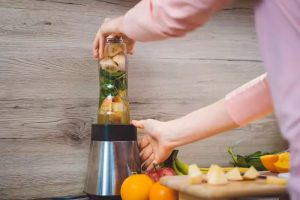
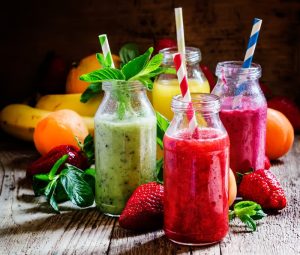
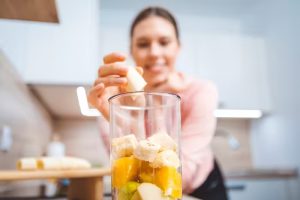
The most common use is smoothies. Fruits, vegetables, yogurt, and liquids blend quickly into a drinkable consistency. Smoothies are ideal for breakfast or quick snacks when time is limited.
The key is balance. Too many frozen ingredients can strain the blender, while too little liquid can create uneven texture. A simple ratio of fruit to liquid ensures smooth results.
Protein Shakes and Fitness Nutrition
Personal blenders are widely used in fitness routines. Protein shakes mix easily with milk, water, or plant-based alternatives. This helps avoid clumps and improves texture compared to manual shaking.
Post-workout nutrition becomes more efficient with a personal blender. Ingredients like bananas, protein powder, oats, and nut butter can be combined quickly for recovery support.
Baby Food and Soft Diet Preparation
Another important use is preparing soft foods. For babies, elderly individuals, or people with dietary restrictions, smooth textures are essential. Cooked vegetables, fruits, and grains can be blended into easy-to-digest meals.
This use case also allows full control over ingredients, which is important for dietary safety and nutrition quality.
Creative Personal Blender Uses Beyond Drinks
Salad Dressings and Sauces
Personal blenders are excellent for small-batch sauces. Ingredients like olive oil, vinegar, mustard, and herbs can be blended into fresh dressings in seconds.
Homemade sauces taste fresher and contain fewer preservatives compared to store-bought options. This also allows customization based on dietary needs.
Soups and Purees
Cooked vegetables can be blended into smooth soups or purees. This is useful for quick lunches or meal prep. However, hot liquids should be handled carefully, and some blenders require cooling before blending.
Blending soups creates a creamy texture without heavy cream, making it a healthier cooking alternative.
Batter and Baking Preparations
Personal blenders can also assist in baking. Pancake batter, muffin mixes, and light cake batters can be prepared quickly. The key is not over-blending, as this can affect texture.
This use is especially helpful for quick breakfast recipes or small-batch baking.
Health-Focused Personal Blender Uses
Detox-Inspired Green Blends
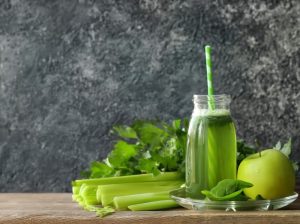
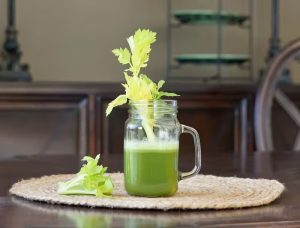
Green blends combine leafy vegetables like spinach or kale with fruits to balance taste. These drinks are often used in wellness routines for nutrient intake.
While “detox” claims are often overstated, these blends do provide vitamins, minerals, and hydration support.
Weight Management Smoothies
Low-calorie smoothies are another popular use. Ingredients like cucumber, berries, spinach, and water create filling drinks with fewer calories.
These smoothies support satiety and can reduce unhealthy snacking when used properly within a balanced diet.
Energy-Boosting Natural Drinks
Energy-focused blends often include bananas, oats, nuts, and natural sweeteners. These ingredients provide slow-releasing energy without caffeine spikes.
This makes them suitable for morning routines or mid-day energy needs.
Time-Saving Personal Blender Uses for Busy Lifestyles
One of the biggest advantages of a personal blender is speed. It reduces meal preparation time significantly. Many people use it for quick breakfast routines where everything is blended and consumed on the go.
It also supports office lifestyles. A smoothie can be prepared in minutes and taken to work in the same container. This reduces dependency on processed snacks or fast food.
Batch preparation is another useful strategy. Ingredients can be pre-cut and stored in the fridge, making blending even faster during busy mornings.
In real-world use, this convenience often determines whether healthy habits are maintained long term.
Smart Ingredient Combinations for Better Blending
Fruits That Blend Smoothly
Fruits like bananas, mangoes, berries, and apples create smooth textures easily. They also provide natural sweetness, reducing the need for added sugar.
Bananas are especially useful because they improve creaminess and help bind ingredients together.
Vegetables for Nutrient Density
Vegetables add nutrients without excessive sugar. Spinach, cucumber, celery, and carrots are commonly used in personal blender recipes.
These ingredients blend well when combined with enough liquid and fruit balance.
Flavor Enhancers and Boosters
Small additions can transform taste. Ginger adds spice, cinnamon adds warmth, and honey adds natural sweetness. Nut butters improve texture and protein content.
These boosters help create more enjoyable and sustainable recipes.
Common Mistakes in Personal Blender Uses
One common mistake is overfilling the blending cup. This reduces efficiency and can strain the motor. Another issue is using too little liquid, which creates uneven blending.
Ignoring blade limitations is also a problem. Personal blenders are not designed for heavy-duty crushing of large ice chunks or hard ingredients in large amounts.
Poor cleaning habits can also reduce performance over time. Residue buildup affects both hygiene and blending quality.
Maintenance Tips to Extend Blender Life
Daily Cleaning Habits
Quick cleaning after each use prevents buildup. Most personal blender cups can be rinsed immediately with warm water and mild soap.
Blade Care and Motor Safety
Avoid continuous long blending cycles. Short pulses are more effective and protect the motor from overheating.
Storage Best Practices
Keep components dry and stored properly. Avoid leaving blades or cups with moisture, which can lead to wear over time.
Choosing the Right Personal Blender for Your Needs
Not all personal blenders are the same. Power level, cup size, and blade quality all affect performance.
Higher wattage models handle tougher ingredients better. Smaller models are more portable but limited in capacity.
Cup material also matters. BPA-free plastic is common, while glass offers durability but adds weight.
Budget models work well for basic smoothies. Premium models are better for users who want more versatility and long-term durability.
Choosing the right blender depends on lifestyle, not just price.
FAQ
What can I make with a personal blender besides smoothies?
You can prepare sauces, soups, dressings, protein shakes, and even light baking mixtures depending on the blender’s power and capacity.
Are personal blenders good for daily use?
Yes, they are designed for frequent use, especially for quick meals, drinks, and single-serving recipes with minimal cleanup.
Can I crush ice in a personal blender?
Some models can handle small ice amounts, but excessive ice may strain the motor. Always check manufacturer guidelines first.
Is a personal blender better than a regular blender?
It depends on needs. Personal blenders are better for speed and convenience, while regular blenders handle larger batches and tougher tasks.
How long does a personal blender usually last?
With proper cleaning and usage, a good-quality personal blender can last several years, depending on frequency and care.