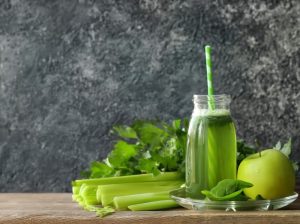

Hydration plays a central role in energy, focus, and physical performance. Yet many people rely on sugary sports drinks without understanding what their bodies actually need. This is where a Homemade Electrolyte Drink becomes a practical alternative. It offers a simple way to restore fluids and essential minerals without artificial additives or excess sugar. Interest in homemade hydration solutions has grown as people look for cleaner, more natural options for daily wellness and fitness recovery. Unlike commercial drinks, homemade versions allow full control over ingredients and strength. This guide explores how electrolyte drinks work, why they matter, and how to create effective recipes for real-world use.
What Is a Homemade Electrolyte Drink and Why It Matters
A Homemade Electrolyte Drink is a natural hydration solution made using water and mineral-rich ingredients. Its primary purpose is to replace fluids and electrolytes lost through sweat, activity, or illness. Electrolytes are minerals that carry an electric charge and are essential for muscle function, nerve signaling, and fluid balance.
The most important electrolytes include sodium, potassium, magnesium, and calcium. When these minerals are depleted, the body can experience fatigue, cramps, and reduced performance. While plain water is essential, it does not replace these minerals. This is why electrolyte drinks can be more effective in certain situations.
Homemade versions differ from commercial sports drinks in one key way: control. You decide the sugar level, mineral content, and flavor. This makes them more adaptable to personal health goals and dietary preferences. Instead of relying on processed formulas, you can build hydration based on actual body needs.
Key Electrolytes and Their Role in the Body
Sodium and Fluid Balance
Sodium is one of the most important electrolytes for hydration. It helps regulate fluid balance inside and outside cells. When you sweat, sodium is lost in significant amounts. If it is not replaced, dehydration can worsen even if you drink water.
In a Homemade Electrolyte Drink, sodium is usually added in small amounts using natural salts. This helps the body retain fluids more effectively. However, balance is important. Too much sodium can create the opposite effect and stress the system.
Potassium and Muscle Function
Potassium works closely with sodium to maintain proper muscle and nerve function. It helps prevent cramps and supports smooth muscle contractions. Low potassium levels can lead to weakness and fatigue, especially after exercise.
Natural sources like bananas or citrus fruits are often included in homemade electrolyte recipes. These ingredients not only provide potassium but also improve taste and natural sweetness.
Magnesium and Energy Recovery
Magnesium supports energy production at the cellular level and helps muscles relax after activity. It plays a role in reducing post-exercise tension and supporting recovery.
Although magnesium is not always included in basic homemade recipes, it can be added through mineral-rich ingredients or supplements. Its presence becomes more important for athletes or individuals with high physical stress.
Benefits of a Homemade Electrolyte Drink for Daily Health
A well-balanced Homemade Electrolyte Drink offers several advantages beyond simple hydration. One of the main benefits is faster fluid absorption compared to plain water in situations where electrolytes are depleted.
It also supports energy recovery after exercise. When the body loses minerals through sweat, fatigue sets in more quickly. Replacing these minerals helps restore balance and reduce recovery time.
In hot climates or physically demanding environments, electrolyte drinks help prevent dehydration more effectively than water alone. They also reduce dependency on commercial sports drinks, which often contain high levels of added sugar and artificial flavors.
Another important benefit is customization. You can adjust ingredients based on activity level, climate, or personal health needs. This makes homemade drinks more flexible and cost-effective in the long run.
Best Ingredients for a Homemade Electrolyte Drink
Natural Hydration Bases
The foundation of any electrolyte drink is the liquid base. Water is the most common choice, but coconut water is also widely used due to its natural potassium content. Herbal infusions can add subtle flavor without adding sugar.
The base determines how light or rich the drink feels. Water-based recipes are ideal for daily hydration, while coconut water blends are better for recovery and energy replenishment.
Natural Salt Sources
Salt is essential for replacing sodium lost through sweat. Natural options like sea salt or Himalayan pink salt are commonly used in homemade recipes. These salts contain trace minerals that support hydration balance.
The key is moderation. Only small amounts are needed to restore electrolyte levels without overloading sodium intake.
Fruit-Based Electrolyte Boosters
Fruits add both flavor and natural electrolytes. Lemon and orange provide vitamin C and potassium. Watermelon offers hydration support due to its high water content. Bananas are rich in potassium and help improve muscle function.
Unlike artificial sweeteners, fruits provide natural sugars that support energy without excessive processing. However, balance is important to avoid turning the drink into a high-sugar beverage.
Optional Functional Add-Ins
Some recipes include ingredients like honey, chia seeds, or apple cider vinegar. Honey provides quick energy, while chia seeds add fiber and slow-releasing energy. Apple cider vinegar is sometimes used for flavor and digestive support.
These add-ins should be used carefully. The goal is to enhance hydration, not complicate the formula.
Easy Homemade Electrolyte Drink Recipes for Everyday Use
Basic Hydration Recovery Drink
A simple recovery drink can be made using water, a pinch of salt, and fresh lemon juice. This combination helps restore sodium levels and provides light potassium support. It is ideal for daily hydration or mild activity.
This type of drink is especially useful in hot weather or after light exercise when fluid loss is moderate.
Post-Workout Recovery Drink
After intense exercise, the body needs both electrolytes and energy. A more advanced Homemade Electrolyte Drink includes water or coconut water, a pinch of salt, banana, and a small amount of honey.
This combination helps replenish glycogen stores and restore fluid balance. Timing is important. Consuming it within 30–60 minutes after exercise improves recovery efficiency.
Heat and Summer Hydration Drink
In hot climates, hydration needs increase significantly. A cooling recipe may include water, lemon, cucumber slices, a pinch of salt, and mint leaves.
This combination helps prevent dehydration while keeping the body cool. It is especially useful during outdoor activity or high-temperature conditions.
Homemade Electrolyte Drink vs Sports Drinks
Commercial sports drinks are designed for convenience, but they often contain high sugar levels and artificial additives. A Homemade Electrolyte Drink provides more control over ingredients and allows for cleaner nutrition.
One major difference is sugar content. Many commercial drinks contain added sugars that can lead to energy spikes and crashes. Homemade versions can use natural sugars or remain low-sugar depending on preference.
Cost is another factor. Homemade drinks are significantly cheaper and can be made with common kitchen ingredients. Over time, this makes them more sustainable.
However, commercial drinks may still be useful in high-performance sports where precise electrolyte ratios are needed. For everyday hydration, homemade options are often sufficient.
When and How to Use Homemade Electrolyte Drinks
During Exercise and Training
Electrolyte drinks are most effective during prolonged or intense physical activity. They help maintain hydration and prevent fatigue. Small sips during exercise are often more effective than large amounts at once.
Illness Recovery and Dehydration
When the body loses fluids due to illness, electrolyte balance becomes critical. Homemade drinks can help restore hydration gently. However, severe dehydration should always be treated medically.
Daily Lifestyle Hydration
Electrolyte drinks can also be used in daily routines, especially in hot climates or active lifestyles. However, they should not completely replace water. Balance is key for long-term hydration health.
Common Mistakes When Making Homemade Electrolyte Drinks
One common mistake is adding too much salt. This can disrupt fluid balance instead of improving it. Another issue is using excessive fruit juice or sugar, which reduces the health benefits.
Some people also rely too heavily on electrolyte drinks instead of drinking enough water. This can create imbalance over time. The goal is support, not replacement.
Ignoring individual needs is another mistake. Hydration requirements vary based on activity level, climate, and body composition.
Science Behind Homemade Electrolyte Drink Effectiveness
Electrolyte drinks work through the principle of osmosis. Water and minerals move across cell membranes to maintain balance. Sodium helps the body retain fluid, while potassium supports cellular function.
Balance is more important than quantity. Too many electrolytes can be just as problematic as too few. This is why properly measured homemade recipes are effective when used correctly.
However, homemade solutions have limitations. They cannot replicate medical-grade rehydration formulas used in clinical settings. They are best suited for everyday wellness and moderate activity.
Safety Tips and Who Should Be Careful
While Homemade Electrolyte Drinks are generally safe, some individuals need to be cautious. People with kidney conditions or high blood pressure should monitor sodium intake carefully.
Excess electrolyte consumption can lead to imbalances, especially if combined with a high-salt diet. Moderation is essential.
Anyone with chronic health conditions should consult a healthcare professional before making electrolyte drinks a daily habit. Personalization is key for safe hydration strategies.
Conclusion
A Homemade Electrolyte Drink offers a simple and natural way to support hydration, energy, and recovery. It provides essential minerals that plain water alone cannot replace, while allowing full control over ingredients and taste.
Its real value lies in balance and consistency rather than complexity. When used correctly, it supports everyday wellness, physical performance, and recovery in a practical way. However, it is not a replacement for water or a cure for dehydration-related issues.
By understanding how electrolytes work and how to use natural ingredients effectively, anyone can build a sustainable hydration routine that fits their lifestyle.