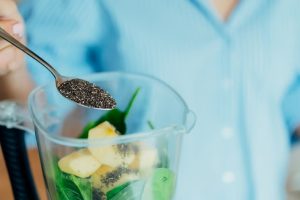

Juicing has become a popular habit in modern wellness culture. Many people are curious about fresh juice but do not fully understand how it works or how to start correctly. Interest in Juicing for Beginners is growing because it feels like a simple way to improve nutrition without major diet changes. Fresh juice is often linked with better hydration, energy, and convenience, but the process behind it is not always clearly explained. Juicing is more than just blending fruits or vegetables. It involves extracting liquid, separating fiber, and consuming nutrients in a different form. Understanding this process helps beginners avoid confusion and build realistic expectations. This guide explains how juicing works, what tools are needed, and how it fits into a healthy lifestyle.
Understanding Juicing for Beginners in Simple Terms
Juicing means extracting liquid from fruits and vegetables while removing most of the solid fiber. This creates a drink that contains vitamins, minerals, and natural plant compounds in liquid form. Unlike eating whole produce, juicing changes how the body processes nutrients.
Juicing for Beginners is not about complex recipes or expensive machines. It is about learning the basics first. Many people assume juicing is a quick health fix or detox solution, but that is not accurate. The human body already has natural detox systems, mainly the liver and kidneys. Juice supports nutrition, not detoxification.
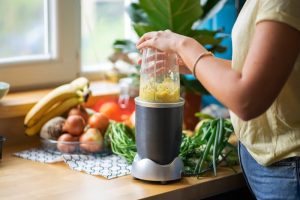
Another important difference is between juicing and blending. Blending keeps all the fiber and creates a thicker drink. Juicing removes fiber and produces a lighter liquid. This difference affects digestion speed, nutrient absorption, and how the body responds.
Beginners should focus on simplicity. Starting with basic ingredients and simple combinations helps build consistency without overwhelming the system.
How the Juicing Process Actually Works
Breaking Down Fruits and Vegetables
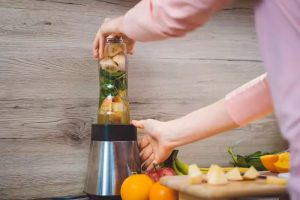
Juicers work by breaking down the structure of fruits and vegetables. These foods are made of cells that contain water, nutrients, and fiber. When you place them in a juicer, the machine separates liquid from solid material.
The mechanical process applies pressure or centrifugal force to extract juice from the plant cells. This releases vitamins, minerals, and natural sugars into liquid form. The remaining material becomes pulp, which mostly contains fiber.
Separation of Juice and Fiber
One of the most important parts of juicing is fiber removal. Fiber plays a key role in digestion, but it slows down nutrient absorption. When fiber is removed, the body absorbs nutrients more quickly.
This is why juice feels lighter than eating whole fruits or vegetables. However, it also means you lose the fullness and digestive benefits that fiber provides. Understanding this trade-off is essential for Juicing for Beginners.
Juice is not better than whole foods. It is simply different. It offers faster nutrient delivery but less digestive support.
Absorption and Digestion in the Body
Once juice is consumed, the body processes it differently from solid food. Without fiber, the stomach does not need to break down complex material. This allows nutrients to pass into the small intestine more quickly.
From there, vitamins and minerals enter the bloodstream. This faster absorption is one reason people feel an energy boost after drinking fresh juice. However, this effect is temporary and depends on overall diet quality.
Juicing should be seen as a supplement to whole foods, not a replacement. Balanced nutrition still requires fiber, protein, and healthy fats.
Essential Tools for Juicing for Beginners
Types of Juicers and Their Function
The most important tool is the juicer itself. There are two main types used in home kitchens.
Centrifugal juicers work by spinning ingredients at high speed. They are fast, affordable, and easy to use. They are ideal for beginners who want convenience. However, they may produce slightly more oxidation, which can reduce shelf life.
Cold-press juicers work by slowly crushing and pressing ingredients. They produce higher-quality juice with less oxidation. The downside is higher cost and slower preparation time.
For Juicing for Beginners, the choice depends on budget and lifestyle. A simple centrifugal juicer is often enough to start.
Supporting Kitchen Equipment
Beyond the juicer, several basic tools improve the experience. A sharp knife helps cut fruits and vegetables into manageable pieces. A cutting board ensures safe preparation. Peelers are useful for removing tough skins from citrus fruits or carrots.
Storage containers also matter. Glass jars are preferred because they preserve freshness better than plastic. Clean tools reduce contamination and improve juice quality.
Cleaning Tools and Maintenance Basics
Cleaning is one of the most overlooked parts of juicing. Pulp can quickly dry and clog parts of the machine. This affects performance and taste over time.
A small brush helps remove leftover fibers from the juicer. Washing immediately after use prevents buildup. Regular maintenance ensures the machine lasts longer and produces consistent results.
Core Ingredients Used in Beginner Juicing
Beginner-Friendly Fruits
Fruits are the easiest starting point for Juicing for Beginners because they are naturally sweet and familiar in taste. Apples are versatile and mix well with almost anything. Oranges provide vitamin C and a refreshing flavor. Watermelon is highly hydrating and perfect for warm weather. Grapes are easy to juice and require no preparation.
These fruits help beginners adjust to juicing without strong or bitter flavors.
Easy Vegetables for First-Time Juicers
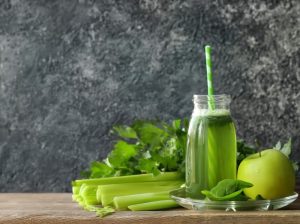
Vegetables add nutrients and balance to juice. Carrots are slightly sweet and rich in beta-carotene. Cucumbers are mild and hydrating. Celery adds electrolytes and freshness. Spinach is a gentle leafy green that blends well with fruit-based juices.
Starting with mild vegetables helps avoid strong flavors that may discourage beginners.
Natural Flavor Enhancers
Some ingredients improve taste without overpowering the juice. Lemon adds brightness and balances sweetness. Ginger adds warmth and supports digestion. Mint creates a refreshing finish.
These small additions make juice more enjoyable and easier to drink regularly.
Step-by-Step Juicing Process for Beginners
Preparation and Ingredient Setup
The first step is proper preparation. All fruits and vegetables should be washed thoroughly to remove dirt and residues. Cutting ingredients into smaller pieces improves juicer efficiency and reduces strain on the machine.
Organizing ingredients before starting helps create a smoother workflow and better results.
Juicing Technique and Order of Ingredients
The order in which ingredients are added matters. Hard vegetables like carrots should be followed by softer ingredients like cucumbers or apples. This helps maintain steady juice flow and prevents clogging.
Feeding ingredients slowly improves extraction and reduces waste. Rushing the process can lower juice yield.
Collecting and Serving Fresh Juice
Fresh juice should be consumed immediately when possible. Exposure to air causes oxidation, which reduces nutrient quality over time. If storage is needed, airtight glass containers help preserve freshness for a short period.
Serving immediately ensures maximum flavor and nutrition.
Health Effects of Juicing for Beginners
Juicing provides several health-related benefits when used correctly. One of the main effects is improved hydration because many fruits and vegetables contain high water content.
Juice also delivers vitamins and minerals in an easy-to-absorb form. This can support daily energy levels, especially for people who do not consume enough fresh produce.
Some people experience a mild energy boost due to faster nutrient absorption. However, this should not be mistaken for long-term energy improvement without a balanced diet.
Juicing also supports lighter digestion since fiber is removed. This can make it easier on the stomach for some individuals.
However, juice lacks fiber and protein, which are essential for full nutrition. It should not replace meals.
Common Beginner Mistakes in Juicing
One common mistake is using too much fruit, which increases sugar intake. Another issue is ignoring vegetable balance, which reduces nutritional value.
Some beginners store juice for too long, leading to nutrient loss and poor taste. Others neglect cleaning, which affects hygiene and machine performance.
Avoiding these mistakes helps improve results and long-term consistency.
How Juicing Fits Into a Daily Lifestyle
Morning Routine Integration
Many people prefer juicing in the morning. It provides a light and refreshing start to the day and supports hydration after sleep.
Pre- or Post-Meal Usage
Juice can be used between meals or alongside light snacks. It is not ideal as a full meal replacement but works well as a supplement.
Long-Term Habit Building
Consistency matters more than quantity. Starting with a few juices per week is better than overdoing it and quitting early.
Safety and Practical Considerations
Juicing should be done with balance in mind. Natural fruit sugars can add up quickly if not controlled. People with specific health conditions should be mindful of sugar and mineral intake.
Juice should never replace whole meals regularly. The body still needs fiber, protein, and fats for complete nutrition.
Moderation ensures long-term benefits without imbalance.
Conclusion
Juicing for Beginners is about understanding how fresh juice works and how it fits into a balanced lifestyle. It involves extracting liquid from produce, separating fiber, and consuming nutrients in a faster-absorbing form. While it offers hydration and convenience, it is not a replacement for whole foods.
The key to success is simplicity. Start with basic ingredients, use proper tools, and build consistency over time. When done correctly, juicing can support healthier habits and add variety to daily nutrition without complexity or pressure.