Juicing has become a popular habit for people looking to improve nutrition in a simple and accessible way. Interest in Juicing for Beginners continues to grow as more people move toward fresh, homemade drinks instead of packaged options. Fresh juice is often associated with better energy, hydration, and daily wellness support. However, beginners often feel confused about where to start, what tools to use, and how to avoid common mistakes. Juicing is not complicated, but it does require a basic understanding of ingredients, equipment, and technique. This guide breaks everything down into simple, practical steps so you can build a sustainable juicing habit at home without stress or confusion.
What Juicing for Beginners Really Means
Juicing means extracting liquid from fruits and vegetables while removing most of the fiber. This is different from blending, where the whole ingredient is consumed. In juicing, the goal is to get a concentrated drink that delivers vitamins, minerals, and hydration in a fast-absorbing form.
For beginners, juicing is not about complex recipes or expensive ingredients. It is about starting simple and understanding how different fruits and vegetables work together. Many people assume juicing is a detox solution, but this is a misconception. The body already has natural detox systems. Juicing supports nutrition, not detoxification.
Beginners should focus on balance rather than extreme combinations. Too much fruit can increase sugar intake, while too many greens can create a bitter taste. The key is gradual learning and experimenting with simple combinations.
Essential Kitchen Tools for Juicing at Home
Types of Juicers Explained
The most important tool for juicing is the juicer itself. There are two main types: centrifugal juicers and cold-press juicers. Centrifugal juicers work quickly and are usually more affordable. They are ideal for beginners who want fast results. However, they may produce slightly less nutrient-rich juice due to heat and oxidation.
Cold-press juicers, also called masticating juicers, extract juice slowly. They preserve more nutrients and produce higher-quality juice. The downside is higher cost and slower processing time. For beginners, the choice depends on budget and commitment level.
Must-Have Prep Tools
Beyond the juicer, basic kitchen tools are essential. A sharp knife helps prepare fruits and vegetables efficiently. A sturdy cutting board ensures safe chopping. Peelers are useful for removing thick skins from ingredients like carrots or citrus fruits. Clean glass jars or bottles are important for storing fresh juice.
Hygiene is also important. Fresh produce should always be washed properly before juicing to remove dirt and pesticide residues. Clean tools ensure better taste and safer consumption.
Cleaning and Maintenance Equipment
Juicing creates pulp and residue that must be cleaned immediately. A small cleaning brush helps remove fibers from juicer parts. Regular cleaning prevents clogging and keeps the machine working efficiently.
Maintenance affects juice quality. A poorly cleaned juicer can affect taste and reduce performance over time. Beginners should build a habit of cleaning immediately after use to avoid buildup.
Best Fruits and Vegetables for Beginner Juicing
High-Water Content Fruits
Fruits are a great starting point for beginners because they taste naturally sweet and are easy to juice. Apples are versatile and balance well with almost anything. Oranges provide vitamin C and a refreshing flavor. Watermelon is highly hydrating and ideal for summer. Grapes are sweet and require no peeling.
These fruits help beginners adjust to juicing without overwhelming taste changes.
Nutrient-Dense Vegetables
Vegetables are essential for creating balanced juice. Carrots add natural sweetness and are rich in beta-carotene. Cucumbers provide hydration and a mild flavor. Spinach is a gentle leafy green that mixes well with fruits. Celery adds freshness and electrolytes.
Starting with mild vegetables helps beginners avoid strong or bitter flavors.
Flavor Balancing Ingredients
Some ingredients are not primary juice bases but improve taste significantly. Ginger adds warmth and supports digestion. Lemon adds brightness and balances sweetness. Mint creates a refreshing finish.
These small additions can transform basic juice into a more enjoyable drink.
Basic Juicing Techniques Every Beginner Should Know
Preparation and Washing Methods
Proper preparation is essential for good juice. All fruits and vegetables should be washed thoroughly. Some ingredients may need peeling, while others can be juiced with skin intact. Cutting produce into smaller pieces helps improve juicer efficiency and reduces strain on the machine.
Layering and Feeding Ingredients
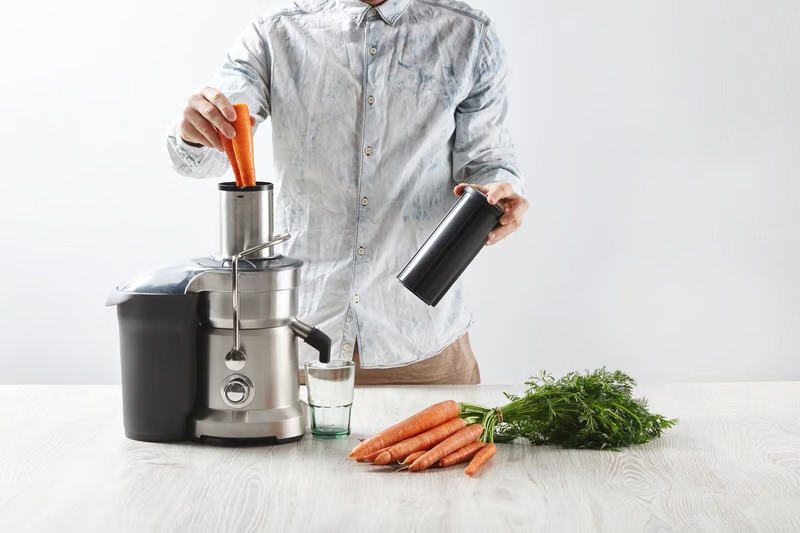
How ingredients are added to the juicer matters. Hard vegetables like carrots should be alternated with softer ingredients like cucumber or apple. This prevents clogging and improves juice flow. Feeding ingredients slowly helps extract more juice and reduces waste.
Juice Extraction and Yield Optimization
Beginners often waste a lot of juice due to improper technique. Pressing ingredients slowly and evenly improves yield. Using fresh produce also increases juice quantity. Pulp can sometimes be reprocessed or used in cooking to reduce waste.
Simple Juicing for Beginners Recipes to Try
Morning Energy Juice
A simple morning juice can include apples, carrots, and a small piece of ginger. This combination provides natural sweetness and a gentle energy boost. It is ideal for starting the day without caffeine.
Green Detox-Inspired Juice
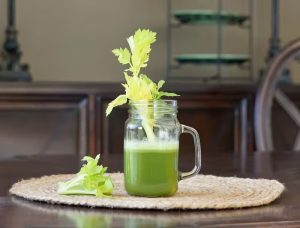
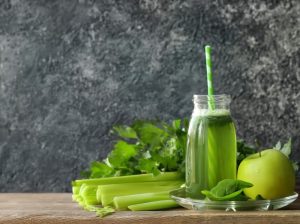
A balanced green juice can include cucumber, spinach, apple, and lemon. This combination is mild, refreshing, and nutrient-rich. It introduces greens in a beginner-friendly way without strong bitterness.
Immune Support Juice
For daily wellness support, orange, carrot, and ginger make a strong combination. This juice is rich in vitamin C and antioxidants, making it ideal during seasonal changes.
Health Benefits of Juicing for Beginners
Fresh juice provides quick access to vitamins and minerals. One of the main benefits is improved hydration, especially when water-rich fruits and vegetables are used. Juicing also supports micronutrient intake for people who struggle to eat enough produce daily.
Many beginners notice a natural energy boost due to faster nutrient absorption. Juicing can also encourage healthier eating habits over time. While it is not a replacement for whole foods, it can complement a balanced diet.
Common Mistakes Beginners Make in Juicing
A frequent mistake is using too much fruit, which increases sugar levels. Another issue is ignoring vegetable balance, which reduces nutritional value. Some beginners also fail to clean equipment properly, leading to poor taste and hygiene concerns.
Storing juice for too long is another mistake. Fresh juice loses nutrients quickly and should be consumed as soon as possible. Planning small batches helps maintain quality.
How to Store Fresh Juice Safely
Refrigeration Guidelines
Fresh juice should be stored in airtight glass containers. Refrigeration slows down oxidation and helps preserve nutrients. Ideally, juice should be consumed within 24 hours.
Signs Juice Has Gone Bad
If juice changes color, develops an unusual smell, or tastes sour, it should not be consumed. Fresh juice should always look vibrant and smell natural.
Best Practices for Freshness Retention
Minimizing air exposure helps preserve nutrients. Filling containers to the top reduces oxidation. Keeping juice cold at all times improves shelf life slightly.
Budget-Friendly Juicing for Beginners Strategies
Juicing does not need to be expensive. Seasonal produce is more affordable and tastes better. Buying in bulk reduces cost over time. Farmers markets often offer better deals than supermarkets.
Reducing waste is also important. Pulp can be reused in soups, baking, or composting. This makes juicing more sustainable and cost-effective.
How to Build a Daily Juicing Habit
Consistency is more important than quantity. Starting with one juice per day is enough for beginners. It is best to integrate juicing into existing routines, such as breakfast or afternoon snacks.
Juicing should complement meals, not replace them. A balanced diet is still essential for long-term health. Over time, the habit becomes easier and more natural.
Conclusion
Juicing for Beginners is about simplicity, balance, and consistency. It does not require expensive equipment or complicated recipes. With basic tools, simple ingredients, and proper technique, anyone can start making fresh juice at home. The real value of juicing comes from long-term habits, not quick fixes. When done correctly, it supports hydration, nutrition, and healthier lifestyle choices. The key is to start small, stay consistent, and focus on progress rather than perfection.