Fruit smoothies have become a daily habit for many people who want quick nutrition without complicated meal prep. They fit into busy mornings, post-workout recovery, and even light meal replacements. The popularity of Fruit Smoothie Recipes is not just about taste. It is about convenience, flexibility, and the ability to pack nutrients into a single glass. Unlike processed drinks, smoothies made from whole fruits retain fiber, vitamins, and natural sweetness. This makes them a smarter option for long-term health. In real-world routines, smoothies often replace skipped breakfasts or unhealthy snacks. They help people stay consistent with nutrition goals without requiring advanced cooking skills. This guide breaks down ingredients, techniques, nutrition science, and practical recipes so you can build better smoothies with confidence.
Understanding the Basics of Fruit Smoothie Recipes
A well-balanced smoothie is more than just blended fruit. The foundation of Fruit Smoothie Recipes lies in structure: fruits provide flavor and natural sugar, liquids create consistency, and add-ins enhance nutrition. When these elements are not balanced, smoothies can become too watery, too thick, or overly sugary. A common mistake is assuming that more fruit automatically means a healthier drink. In reality, balance matters more than quantity. Texture also plays a key role in enjoyment. Some people prefer thick smoothie bowls, while others prefer lighter drinkable blends. Understanding these basics helps you create smoothies that are both enjoyable and nutritionally effective.
Essential Ingredients That Shape Great Fruit Smoothie Recipes
Fresh and Frozen Fruits
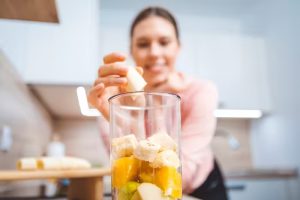
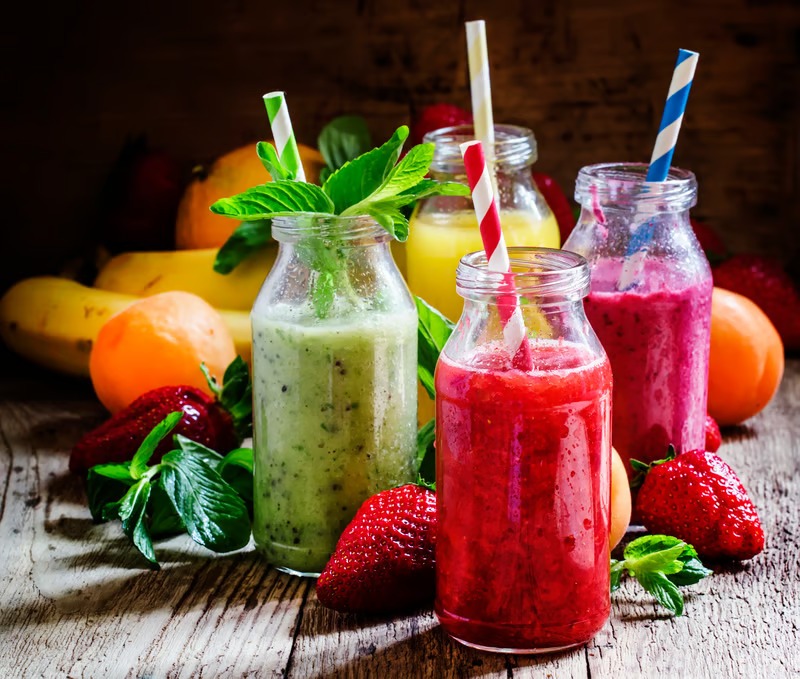
Fruit selection determines both taste and texture. Bananas are often used for creaminess, berries add antioxidants, and mangoes provide natural sweetness. Frozen fruits are especially useful because they eliminate the need for ice while creating a thicker consistency. In professional nutrition planning, frozen fruit is often preferred because it preserves nutrients and improves blending efficiency. Mixing different fruits also helps balance flavor complexity.
Liquid Bases for Smooth Consistency
Liquid choice affects calories, texture, and nutritional profile. Water creates a light smoothie, while milk or plant-based alternatives like almond or oat milk add creaminess. Fruit juice increases sweetness but can also raise sugar levels. In practical nutrition strategies, unsweetened liquids are often preferred for better control over calorie intake. The goal is to support blending without overpowering fruit flavor.
Nutritional Boosters and Add-Ins
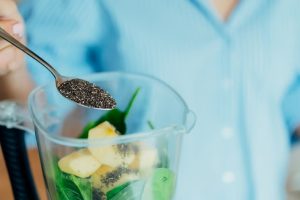
Many modern Fruit Smoothie Recipes include functional add-ins. Protein powder helps with muscle recovery, chia seeds add fiber and omega-3 fats, and oats improve satiety. However, overloading smoothies with supplements can reduce taste quality. Experts recommend adding one or two boosters rather than multiple competing ingredients. The goal is functional nutrition without compromising flavor balance.
Popular Fruit Smoothie Recipes for Everyday Nutrition
Energy-Boosting Morning Smoothies
Morning smoothies are designed to provide quick energy and sustained fullness. A combination of banana, oats, and berries works well for stable energy release. Natural carbohydrates from fruit help replenish glycogen levels after sleep. Adding a small amount of protein can prevent energy crashes later in the morning. In real-world routines, these smoothies often replace skipped breakfasts and improve daily productivity.
Weight-Loss Friendly Smoothies
Weight-focused Fruit Smoothie Recipes prioritize fiber and low-calorie ingredients. Ingredients like strawberries, spinach, and unsweetened yogurt help maintain fullness without excess calories. High-fiber fruits slow digestion and reduce hunger spikes. The key is avoiding excessive sweet fruits or added sugars. A balanced approach ensures satisfaction without overconsumption.
Protein-Rich Recovery Smoothies
Post-workout smoothies support muscle repair and recovery. A combination of banana, berries, protein powder, and milk provides both carbohydrates and protein. This helps replenish energy stores and supports muscle synthesis. Fitness professionals often recommend consuming such smoothies within a short recovery window after exercise for best results. The balance between protein and natural sugars is critical for performance recovery.
Seasonal Fruit Smoothie Recipes and Flavor Variations
Seasonality plays an important role in smoothie quality. Seasonal fruits are often fresher, more affordable, and more nutrient-dense. Summer Fruit Smoothie Recipes typically include watermelon, mango, and pineapple for hydration and cooling effects. Winter blends often feature oranges, apples, and pears to support immunity and digestion. Adapting recipes based on availability not only improves taste but also reduces cost. This approach also ensures variety, which is important for long-term nutritional consistency.
How to Build Your Own Fruit Smoothie Recipes
The 3-Part Smoothie Formula
Most successful smoothies follow a simple structure: fruits for flavor, liquid for consistency, and add-ins for function. This framework allows flexibility while maintaining balance. When building your own recipe, start with one dominant fruit, add a secondary flavor, and finish with a functional ingredient if needed. This prevents flavor overload and keeps the smoothie enjoyable.
Adjusting Texture and Thickness
Texture is a major factor in smoothie satisfaction. Thick smoothies are ideal for spoon-based bowls, while thinner versions are better for quick drinking. Frozen fruits increase thickness naturally, while added liquids thin the mixture. Ice can also be used, but it may dilute flavor. Understanding this balance helps you tailor smoothies to personal preference.
Flavor Balancing Techniques
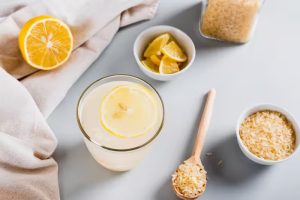
A good smoothie is not just sweet. It has balance between sweetness, acidity, and freshness. Citrus fruits like lemon or orange can brighten flavors, while a pinch of salt or cinnamon can enhance depth. Overly sweet smoothies often become unappealing over time. Professional smoothie makers focus heavily on flavor layering rather than single-note sweetness.
Nutritional Benefits of Fruit Smoothie Recipes
Fruit smoothies provide a concentrated source of vitamins, minerals, and antioxidants. Fiber from whole fruits supports digestion and gut health. Natural sugars offer quick energy without processed additives. When balanced correctly, smoothies can also support hydration and immune function. However, nutritional value depends heavily on ingredient selection. A well-designed smoothie can serve as a snack, meal supplement, or recovery drink depending on composition.
Common Mistakes in Making Fruit Smoothie Recipes
One of the most common mistakes is using too many high-sugar fruits, which can turn a healthy drink into a high-calorie dessert. Another issue is ignoring portion size, leading to excessive calorie intake. Some people also overuse liquid, making smoothies too thin and less satisfying. Poor ingredient balance often results in bland or overly sweet flavors. Avoiding these mistakes requires attention to structure and moderation.
Advanced Smoothie Preparation Tips for Better Results
Blending Order Techniques
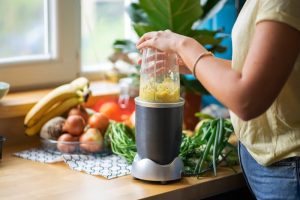
The order in which ingredients are added affects blending quality. Liquids should go in first, followed by soft fruits, and frozen ingredients last. This prevents blender strain and ensures smoother consistency. Professional kitchens use this method to improve efficiency and texture.
Meal Prep and Storage Strategies
Smoothies can be prepared in advance using frozen fruit packs. This saves time and ensures consistency in daily nutrition. Pre-portioned ingredients reduce decision fatigue and improve habit formation. However, freshly blended smoothies still offer the best texture and flavor.
Upgrading Smoothies for Performance Nutrition
For fitness-focused users, smoothies can be enhanced with electrolytes, adaptogens, or additional protein. These upgrades support hydration, stress balance, and recovery. The key is moderation. Too many functional additions can reduce taste quality and digestive comfort.
Smoothie Trends and Modern Innovations
Modern Fruit Smoothie Recipes are evolving with dietary trends. Plant-based smoothies are now mainstream due to increased interest in vegan nutrition. High-protein smoothies are popular in fitness communities. Keto-friendly versions reduce fruit sugar and focus on fats and low-carb ingredients. Smoothie bowls have also become popular as a more filling meal option. Functional smoothies with ingredients like matcha or adaptogens are gaining attention in wellness culture. These trends reflect a shift from simple drinks to targeted nutrition solutions.
FAQ
1. Are Fruit Smoothie Recipes healthy for daily use?
Yes, when balanced properly. They provide vitamins, fiber, and energy, but portion control and ingredient selection are important for long-term health benefits.
2. Can smoothies replace a full meal?
They can replace a meal if they include protein, healthy fats, and fiber. Otherwise, they are better as snacks or supplements.
3. What fruits work best in smoothies?
Bananas, berries, mangoes, and apples are commonly used. They offer good flavor balance, texture, and nutritional value.
4. Should I use fresh or frozen fruit?
Both work well. Frozen fruit improves texture and reduces the need for ice, while fresh fruit provides seasonal variety.
5. How can I make smoothies lower in sugar?
Use low-sugar fruits like berries, reduce high-sugar fruits like mango, and avoid fruit juice or added sweeteners.