Personal blenders have quietly become one of the most useful tools in modern kitchens. Their rise is not about trendiness but about practicality. People want faster meals, fewer dishes, and more control over what they eat. This is where Personal Blender Uses become important in everyday routines. A compact blender is no longer limited to smoothies. It now plays a role in breakfast preparation, fitness nutrition, cooking shortcuts, and even travel-friendly meals. The value lies in how often it can be used, not just what it can make. This guide explores real-life applications and explains how people are integrating personal blenders into daily habits in practical, efficient ways.
Why Personal Blenders Have Become a Daily Essential
The popularity of personal blenders is driven by convenience. Modern lifestyles leave little time for complex cooking. A personal blender reduces preparation time to minutes. This makes it easier to maintain healthier habits without major effort.
Portability is another major advantage. Many personal blenders come with travel cups that double as containers. This allows users to blend and go without transferring liquids into separate bottles.
Cleaning is also much simpler compared to large blenders. Fewer parts mean less effort, which encourages more frequent use. When kitchen tools are easy to clean, they are naturally used more often.
Cost-effectiveness also plays a role. Instead of buying multiple appliances, a single personal blender can handle several small tasks. For many households, this makes it a practical long-term investment.
Most Common Personal Blender Uses at Home
Quick Breakfast Solutions
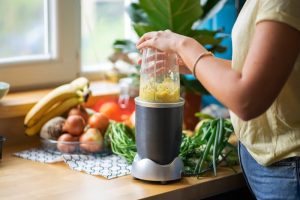
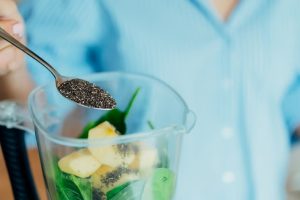
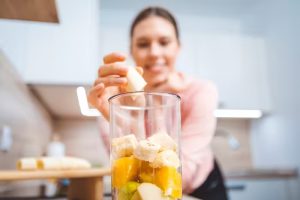
One of the most common Personal Blender Uses is preparing breakfast in minutes. Morning routines are often rushed, and cooking a full meal is not always realistic. A personal blender solves this problem by turning simple ingredients into ready-to-drink or ready-to-eat meals.
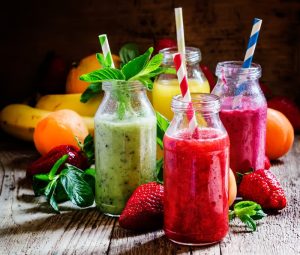
Smoothies made with fruits, yogurt, oats, or milk provide quick nutrition. They are easy to prepare and can be consumed on the go. This makes them ideal for students, office workers, and busy parents.
The key advantage is speed. Instead of skipping breakfast or relying on processed food, users can blend fresh ingredients in under two minutes. This supports better energy levels throughout the day.
Healthy Snacks and Mini Meals
Personal blenders are also used for mid-day snacks. Instead of packaged snacks, users can create small portions of blended food. This helps with portion control and healthier eating habits.
Simple combinations like banana with peanut butter or berries with yogurt create filling snacks. These options help maintain energy between meals without overeating.
This use case is especially important for people managing weight or trying to improve diet quality.
Beverage Preparation for All Ages
Another common use is preparing drinks for different age groups. Children often prefer smooth textures and sweet flavors, which makes blended fruit drinks ideal.
For adults, nutrient-rich smoothies support busy schedules. For elderly users, blended drinks make nutrition easier to consume, especially when chewing is difficult.
This versatility makes personal blenders useful across entire households rather than individual users.
Fitness and Wellness Personal Blender Uses
Pre-Workout Energy Blends
Fitness-focused users rely heavily on personal blenders. Pre-workout drinks are a common application. These blends often include bananas, oats, honey, or coffee for energy support.
The goal is not just taste but performance. Proper ingredient combinations provide sustained energy during exercise without heavy digestion.
Post-Workout Recovery Shakes
After exercise, the body needs protein and nutrients for recovery. Personal blenders make it easy to combine protein powder, milk, fruits, and nut butter into smooth shakes.
This supports muscle recovery and reduces preparation time after workouts. It also helps maintain consistency in fitness routines.
Weight Management Smoothies
Weight management is another major use case. Low-calorie smoothies made with vegetables, fruits, and water can help control hunger.
Ingredients like spinach, cucumber, and berries provide nutrients without excess calories. When used correctly, these blends support healthier eating patterns.
Cooking-Oriented Personal Blender Uses
Homemade Sauces and Condiments
Personal blenders are not limited to drinks. They are also useful for sauces and condiments. Salad dressings, dips, and spreads can be prepared quickly with fresh ingredients.
This allows more control over ingredients compared to store-bought versions, which often contain preservatives or added sugar.
Soups and Warm Blends
Cooked vegetables can be blended into smooth soups. This is especially useful for quick meals or leftover ingredients.
Blending creates creamy textures without heavy cream or additives. However, users must be careful with hot liquids depending on blender design.
Baking Support and Batter Prep
Another creative use is preparing batter for pancakes, muffins, or cakes. A personal blender mixes ingredients evenly and quickly.
This reduces manual mixing time and ensures smoother consistency. It is especially useful for small-batch baking.
Time-Saving Personal Blender Uses in Busy Routines
Time efficiency is one of the biggest reasons people adopt personal blenders. In fast-paced routines, every minute matters. A personal blender reduces cooking time significantly.
Many professionals use it as part of their morning routine. Ingredients are pre-prepared and blended in minutes before leaving home. This replaces unhealthy breakfast options.
Office use is also increasing. Some people keep blenders at work or bring pre-packed ingredients. This helps avoid fast food or vending machine snacks.
Travel-friendly use is another growing trend. Portable cups make it easy to prepare drinks anywhere, especially for fitness or business travel.
Overall, the biggest advantage is reducing dependence on processed food.
Smart Ingredient Pairing for Better Results
Fruits That Blend Easily
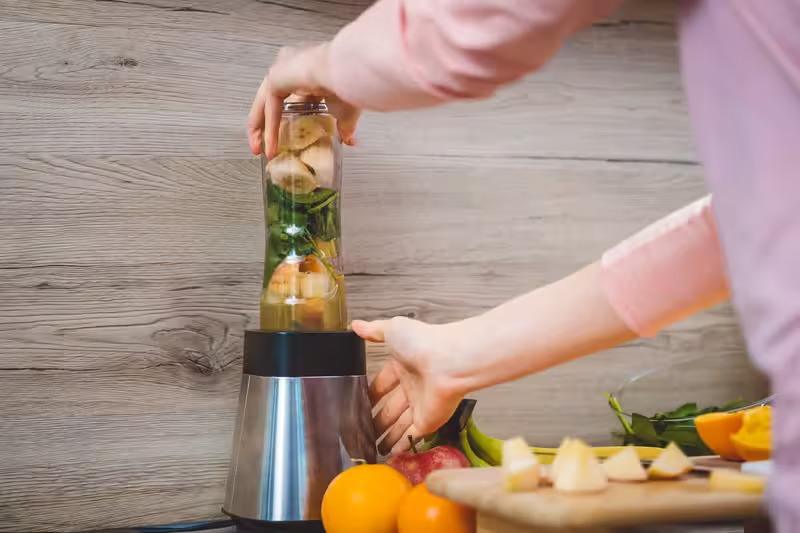
Fruits are the foundation of most personal blender recipes. Bananas, mangoes, berries, and apples are commonly used because they blend smoothly and improve texture.
Bananas are especially important because they add creaminess without needing dairy.
Vegetables for Everyday Nutrition
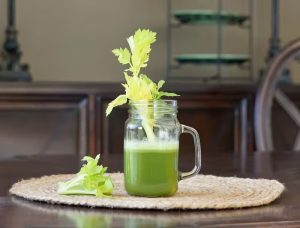
Vegetables help balance sugar content and improve nutritional value. Spinach, cucumber, celery, and carrots are popular choices.
These ingredients blend well when combined with enough liquid and fruit balance.
Add-Ins That Improve Taste and Texture
Small additions can significantly improve blends. Seeds, nuts, cinnamon, honey, and ginger are commonly used.
These ingredients enhance flavor while also improving nutritional value and texture.
Mistakes People Make When Using Personal Blenders
One common mistake is overloading the blending cup. This reduces efficiency and can strain the motor.
Another issue is using too little liquid. Without enough liquid, ingredients do not circulate properly, leading to uneven blending.
Some users also add ingredients that are too hard or large for the blade system. This can damage the appliance over time.
Cleaning habits are often overlooked. Leftover residue can affect both taste and hygiene.
Maintenance Habits for Long-Term Performance
Simple Daily Cleaning Routine
Cleaning immediately after use is the best habit. A quick rinse with warm water prevents buildup and keeps the blender hygienic.
Protecting the Motor and Blades
Short blending cycles are better than long continuous use. This prevents overheating and extends motor life.
Proper Storage and Care
Storing parts dry and properly assembled ensures longer durability. Avoid leaving moisture in the cup or blade area.
How to Choose a Personal Blender for Everyday Use
Choosing the right blender depends on lifestyle needs. Power matters if you plan to blend tougher ingredients. Lower-powered models are fine for soft fruits and liquids.
Cup size is another consideration. Larger cups are better for meal replacements, while smaller ones are ideal for quick drinks.
Material also matters. BPA-free plastic is lightweight and portable, while glass offers durability but less mobility.
Budget plays a role, but long-term reliability should be prioritized over low cost alone.
Conclusion
Personal blenders are no longer just convenience tools. They have become everyday essentials for people who value speed, health, and simplicity. The range of Personal Blender Uses continues to grow as users find new ways to integrate them into daily routines.
From breakfast smoothies to cooking shortcuts and fitness nutrition, their versatility makes them highly practical. The key is not just owning a blender but using it creatively and consistently.
When used properly, a personal blender simplifies life, supports better eating habits, and reduces reliance on processed food. It is a small tool with a surprisingly large impact on daily living.